
3-CEC
Buy 3-CEC online
3-CEC (3-Chloroethcathinone) falls into the substituted cathinone family. Think of it as a chlorinated version of ethcathinone. Like other compounds in this group, it was largely developed as a research chemical to help scientists understand how adding a halogen to the phenyl ring of phenethylamine derivatives changes their behavior.
Chemistry and how it works
- IUPAC Name: 1-(3-chlorophenyl)-2-(ethylamino)propan-1-one
- Molecular Formula: C₁₁H₁₄ClNO
- Common Form: Usually handled as a hydrochloride (HCl) salt, showing up as a white crystalline powder or solid.
- How it acts in the body: 3-CEC is a stimulant. It works mainly by blocking the reuptake of dopamine and norepinephrine. In simple terms, it keeps these neurotransmitters hanging around longer in the space between nerve cells, which ramps up their effects.
Safety and toxicity concerns
Because it hasn’t gone through formal clinical trials, there’s no reliable safety profile for human use. Given its class as a synthetic cathinone, it carries real risks—especially acute cardiovascular issues like rapid heart rate and high blood pressure, overheating, intense psychological agitation, and a notable potential for dependence.
Where it stands legally in Europe
- EU and UK: Many European countries already cover substances like 3-CEC under broad bans on synthetic cathinones or specific drug schedules. For example, Germany’s Neue-psychoaktive-Stoffe-Gesetz and the UK’s Misuse of Drugs Act are often used to control such compounds. 3-CEC Crystal.
- Research use: In academic and forensic labs, 3-CEC is typically limited to licensed settings. Here, it serves as an analytical reference standard for tasks like identifying drugs, profiling samples via mass spectrometry, and conducting in-vitro receptor binding studies.
Showing the single result
-
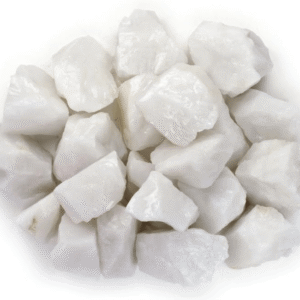
3-CEC Crystal
Price range: €21.00 through €1,300.00 Select options This product has multiple variants. The options may be chosen on the product page