
2-MMC
Scientific Overview of 2-MMC
2-MMC (2-Methylmethcathinone) is a synthetic compound falling under the substituted cathinone class. Structurally, it’s an isomer of both 3-MMC and 4-MMC (mephedrone); the main difference lies in where the methyl group sits on the aromatic ring—specifically at the 2-position rather than the 3- or 4-position. Researchers primarily developed it as a reference standard and research chemical to help study the structure-activity relationships of alkylated and halogenated cathinones.
Chemical Structure and Properties
- IUPAC Name: 2-(methylamino)-1-(2-methylphenyl)propan-1-one
- Molecular Formula: $\text{C}{11}\text{H}{15}\text{NO}$
- Form: It’s typically synthesized as a hydrochloride (HCl) salt, appearing as either a crystalline powder or large crystals.
- Mechanism of Action: Like other substituted cathinones, 2-MMC functions as a monoamine reuptake inhibitor and releasing agent. It boosts extracellular levels of dopamine, norepinephrine, and serotonin by interacting with their transporter proteins (DAT, NET, and SERT). Notably, however, it tends to show lower potency at the SERT transporter compared to 4-MMC.
Our Premium 1V-LSD (Valerie) Collection
To support your educational studies, we stock four highly accurate formats:
Toxicity and Safety Risks
Since 2-MMC hasn’t gone through formal clinical trials, there isn’t an established safety profile for human consumption. That said, adverse effects linked to synthetic cathinones generally include cardiotoxicity (like tachycardia and hypertension), severe agitation, hyperthermia, and psychological dependence.
Regulatory Status in the UK and Europe
- United Kingdom: It is controlled under the Misuse of Drugs Act 1971 as a Class B drug.
- Europe: In many countries across the continent—including Sweden, Germany, and the Netherlands—2-MMC is classified under national psychoactive substances acts or drug laws. This makes unauthorized distribution, sale, or possession illegal.
- Research and Academic Context: Its use is strictly limited to licensed laboratory facilities, university research departments, and forensic institutions for tasks like in-vitro analysis, analytical testing, and toxicology screening.
Showing all 4 results
-
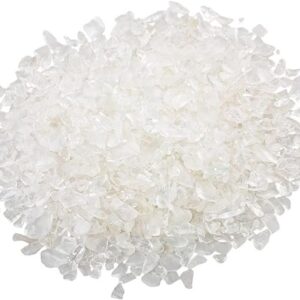
2-MMC crystal chunks
Price range: €27.00 through €33,000.00 Select options This product has multiple variants. The options may be chosen on the product page -
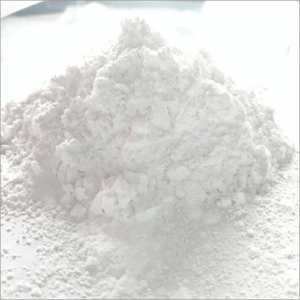
2-MMC Crystal Powder
Price range: €27.00 through €33,000.00 Select options This product has multiple variants. The options may be chosen on the product page -
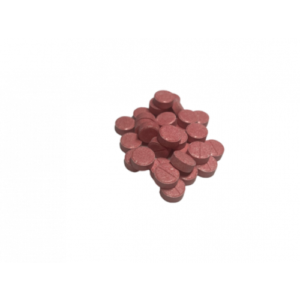
2-MMC Pellets – 220mg
Price range: €36.50 through €1,945.00 Select options This product has multiple variants. The options may be chosen on the product page -
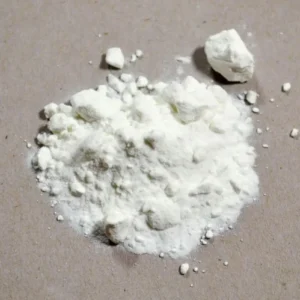
3-MMC -Powder
Price range: €67.00 through €900.00 Select options This product has multiple variants. The options may be chosen on the product page